Ōtāhuhu electorate

Ōtāhuhu covers several southern Auckland suburbs including Ōtāhuhu, Ōtara, and Middlemore. The electorate will be contested for the first time since 1981 this election, though its predecessor Panmure-Ōtāhuhu was held by Labour’s Jenny Salesa, who is contesting the new Ōtāhuhu seat. Labour also won the party vote in Panmure-Ōtāhuhu in 2023, with 52% of the vote. National was second with 27%. This will be Ōtāhuhu’s third time as parliamentary electorate, having previously existed between 1938-1963, and 1972-1981.
Ōtāhuhu candidates
Explore the candidates in your area


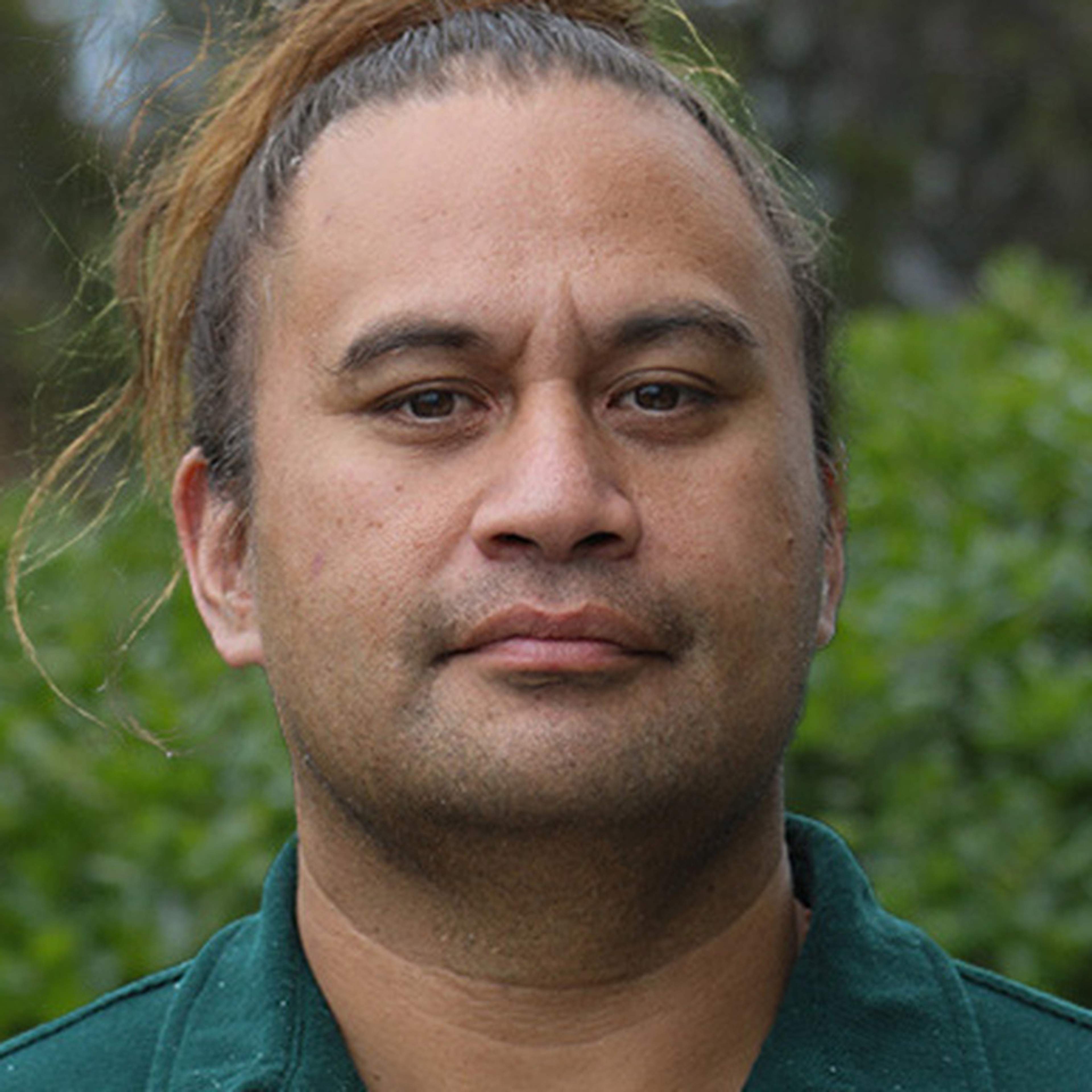




Te Whatanui Skipwith
Why I'm standing
I'm fighting for secure, affordable homes; quality healthcare and education; real opportunities for rangatahi; and an economy that supports local people and businesses, not just those already at the top. I stand for tino rangatiratanga in action, honouring Te Tiriti o Waitangi, and protecting our whenua and waterways for generations to come. Our communities don't need more empty promises. We need leadership that listens, shows up and fights for our people.
About me
I'm Māori and Tongan, a husband, father, community worker, coach, an advocate for our people and in a previous life, an NZ MMA and kickboxing champion. For years, I've worked alongside rangatahi and whānau in youth development, mental health and social services. I've also stood with my whānau to protect our ancestral whenua and waterways at Rotokākahi. This campaign is about all of us building the future our communities deserve.
My priorities
- Affordable lives for all of us by taxing the super-rich, lowering power, grocery and transport costs.
- Fighting for secure, affordable homes; quality healthcare and education.
- Pursuing real opportunities and support for rangatahi to enable them and their whānau to thrive.
Get across the policies, candidates and parties
Don’t know who to vote for? Policy.nz is the complete guide to the 2026 general election. Compare the parties, candidates and policies to see where you stand.
Policies
Compare the parties’ positions on the key issues this election
Candidates
See the electorate candidates running in your local area
Parties
Learn about each political party, its leaders and candidate list
Things to know...
Your two votes shape New Zealand’s next parliament. You need to be enrolled to vote.
Read explainerEnrol to vote by Sunday 25 October
You need to be enrolled before you can vote. You can enrol online at vote.nz.
Voting day is Saturday 7 November
Head to your nearest voting place on the day, or vote early from 26 October.
You get two votes
One for a party (the party vote) and one for a person in your area (the electorate vote).
Your party vote is the most powerful
It decides how many seats each party gets in Parliament. That’s what Policy helps you figure out.