Taranaki-King Country electorate

Taranaki-King Country covers much of the north-western North Island, stretching to include towns such as Raglan, Te Awawmutu, and Inglewood. The seat is held by National’s Barabara Kurgier, who has held the election since 2014 and who won re-election in 2023 with a margin of 24,760. National won the party vote with 47%, followed by Labour with 17%. The first MP to hold the seat between 1996 and 1998 was the former Prime Minister Jim Bolger.
Taranaki-King Country candidates
Explore the candidates in your area


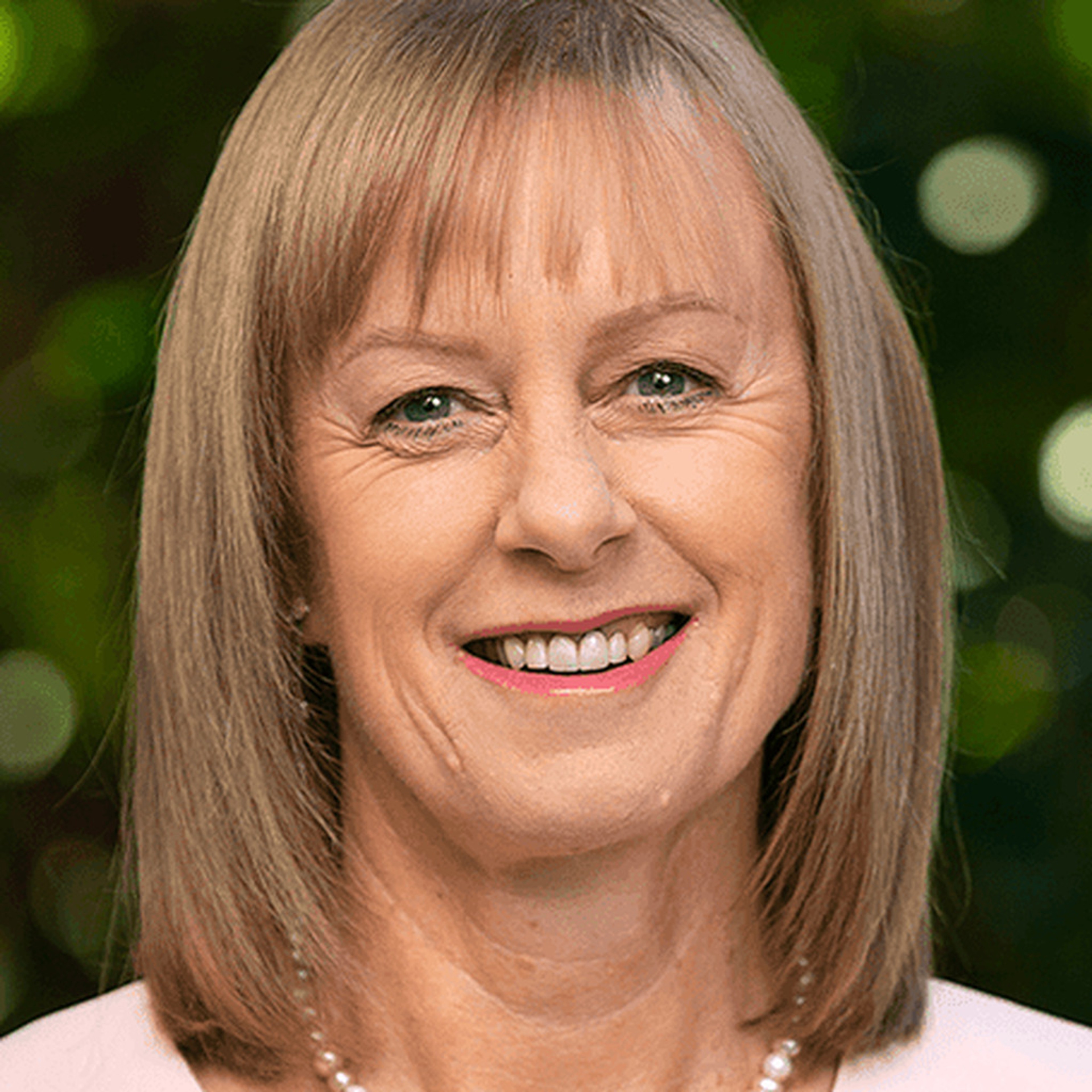

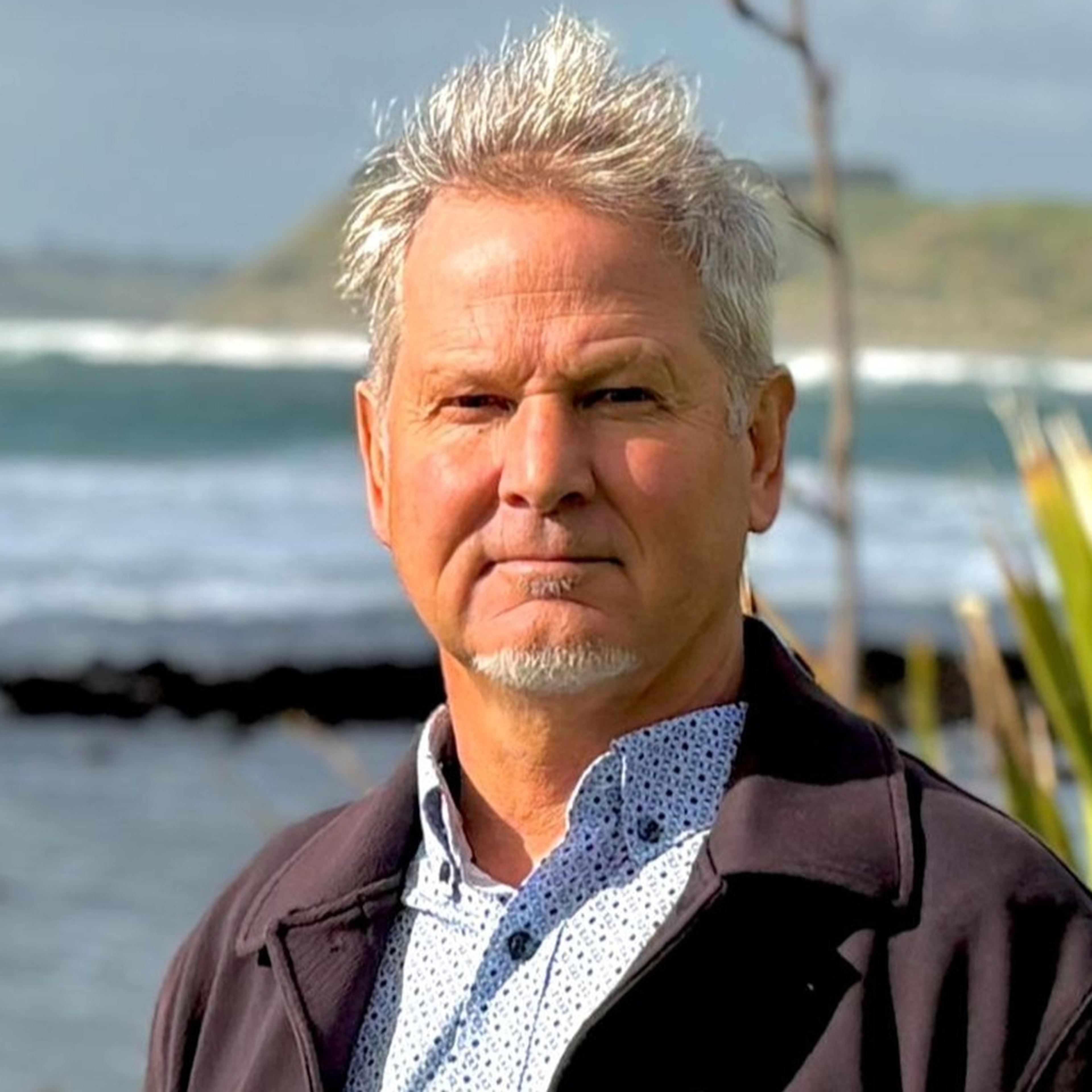
Lee Smith
Why I'm standing
I'm standing as your New Zealand First candidate for Taranaki–King Country because I believe our communities deserve a strong, independent voice in Parliament. I want to stand up for people who work hard, raise families and contribute to our towns and rural communities. Local decision-making should stay local, with communities having a real say in their future. I want common sense restored at every level, practical solutions delivered, waste reduced, and New Zealanders put first.
About me
Born and bred in the TKC electorate, I have deep roots and a genuine understanding of the people and communities I seek to represent. As a small business owner, former dairy farmer, mother, grandmother, and through years of rural advocacy, I understand the pressures facing families, farmers and businesses. I'm solutions-focused, practical and prepared to challenge red tape and productivity-killing legislation. I will listen, advocate strongly and deliver outcomes for our communities and New Zealand.
My priorities
- Exit the Paris Accord. Protect our rural economy and farmers. Cut red tape and back productivity.
- Secure affordable energy. Create regional jobs & encourage growth by using our own resources.
- Keep local decisions local. Ensure decisions affecting us are made by people who live and work here.
Get across the policies, candidates and parties
Don’t know who to vote for? Policy.nz is the complete guide to the 2026 general election. Compare the parties, candidates and policies to see where you stand.
Policies
Compare the parties’ positions on the key issues this election
Candidates
See the electorate candidates running in your local area
Parties
Learn about each political party, its leaders and candidate list
Things to know...
Your two votes shape New Zealand’s next parliament. You need to be enrolled to vote.
Read explainerEnrol to vote by Sunday 25 October
You need to be enrolled before you can vote. You can enrol online at vote.nz.
Voting day is Saturday 7 November
Head to your nearest voting place on the day, or vote early from 26 October.
You get two votes
One for a party (the party vote) and one for a person in your area (the electorate vote).
Your party vote is the most powerful
It decides how many seats each party gets in Parliament. That’s what Policy helps you figure out.