Te Tai Hauāuru electorate

Te Tai Hauāuru electorate covers the west coast of the North Island. Beginning in South Waikato, the electorate covers the Taranaki, Manawatū-Whanganui, through to Porirua and neighbouring north Wellington suburbs. The seat is held by current Te Pāti Māori co-leader Debbie Ngarewa-Packer who won in 2023 with 16,288 of the vote and 35.05% party vote. The seat was held between 2002 and 2011 by founder of Te Pāti Māori, Tariana Turia.
Te Tai Hauāuru candidates
Explore the candidates in your area


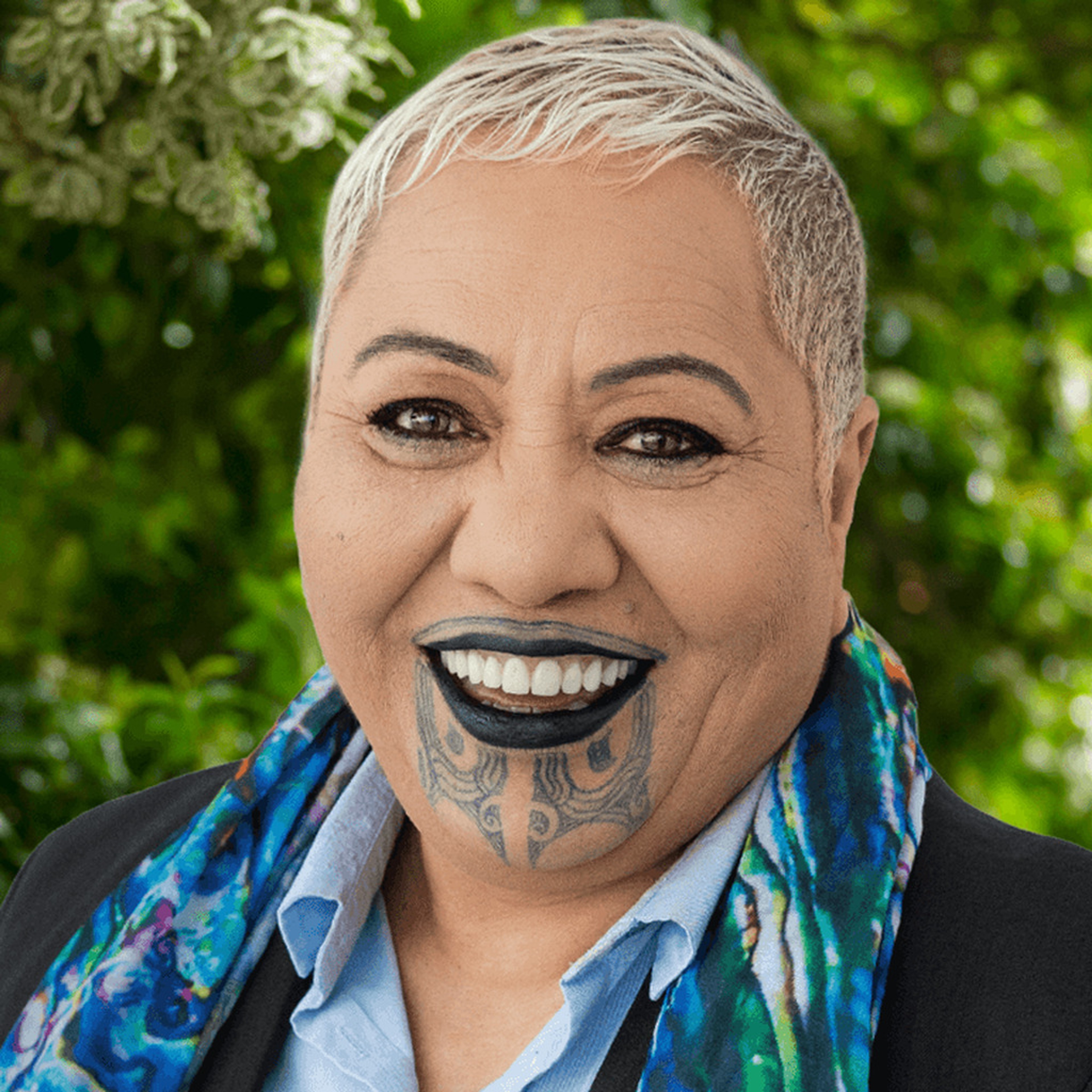
Te Pūoho Kātene
Why I'm standing
I believe Aotearoa New Zealand can be unique in the world; a thriving multicultural nation built on a bicultural foundation, set in Te Tiriti o Waitangi. I believe in a future where the economy puts our people at its heart and respects our taiao. Where Māori futures are shaped by Māori hands, and we all advance together in a fairer, more inclusive Aotearoa.
About me
I'm dedicated to creating meaningful and real change for all Māori, as a key part of a thriving and fair Aotearoa. Born and raised in Porirua, I bring executive, investment and governance experience as CEO of a Māori charitable trust and board roles on Iwi, impact investment and economic development entities. A Fulbright Scholar and Stanford grad, I bring a diverse background in business, science, governance, finance, management and social impact investment.
My priorities
- Back small businesses to grow good jobs, with decent incomes, leading to strong local economies.
- Foster an environment that promotes home ownership, with safe, warm and secure housing for whānau.
- Enable Te Tai Hauāuru's transition from fossil fuels to renewable energy infrastructure.
Get across the policies, candidates and parties
Don’t know who to vote for? Policy.nz is the complete guide to the 2026 general election. Compare the parties, candidates and policies to see where you stand.
Policies
Compare the parties’ positions on the key issues this election
Candidates
See the electorate candidates running in your local area
Parties
Learn about each political party, its leaders and candidate list
Things to know...
Your two votes shape New Zealand’s next parliament. You need to be enrolled to vote.
Read explainerEnrol to vote by Sunday 25 October
You need to be enrolled before you can vote. You can enrol online at vote.nz.
Voting day is Saturday 7 November
Head to your nearest voting place on the day, or vote early from 26 October.
You get two votes
One for a party (the party vote) and one for a person in your area (the electorate vote).
Your party vote is the most powerful
It decides how many seats each party gets in Parliament. That’s what Policy helps you figure out.