Rangitīkei electorate

Rangitīkei covers much of the central western North Island, stretching from Levin in the south up to Feilding, Marton, and Taihape in the North. The seat is currently held by National’s Suze Redmayne, who was first elected in 2023 with a margin of 18,945. National won the party vote in 2023 with 41%, followed by Labour on 22%. The seat was held by Social Credit party leader Bruce Beetham between 1978 and 1984, which was the only time in the Labour-National era a minor party got into parliament until the introduction of MMP in 1996.
Rangitīkei candidates
Explore the candidates in your area


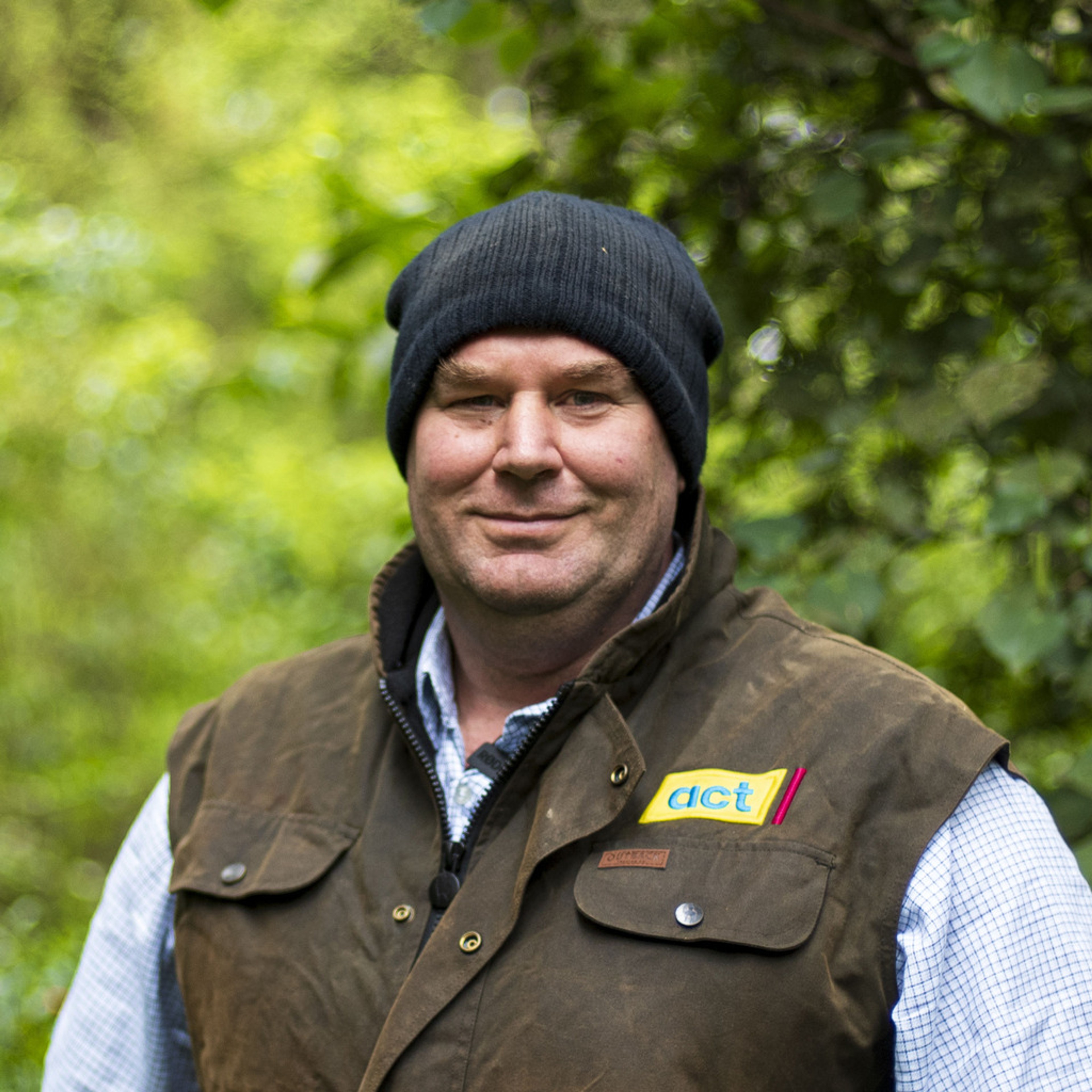



Andrew Hoggard
Why I'm standing
I got into politics because confidence in rural New Zealand was at an all-time low. It has improved, but there's much more to do. I want my daughters, if they choose farming, to have the freedom to farm well without the red tape I've faced for 20 years. I'm asking you to party vote ACT, so more ACT MPs can back rural NZ, grow the economy, defend equal rights, and restore consequences for crime.
About me
I'm not asking you to elect me as your local MP; I'm asking you to give your party vote to ACT to Lock Labour Out and Unlock New Zealand's potential. It means keeping the coalition Government in power, but ensuring that it can go further and faster on the issues that matter most to you. A party vote for ACT will re-elect the Government and make it stronger. I am a current ACT Government Minister.
My priorities
- Let farmers farm, cut red tape, protect property rights, crack down on rural crime, no new taxes.
- Better services including rural school buses, police, and closing the medicines gap with Australia.
- Make decisions based on need, not race, and with one law for all and one future together.
Get across the policies, candidates and parties
Don’t know who to vote for? Policy.nz is the complete guide to the 2026 general election. Compare the parties, candidates and policies to see where you stand.
Policies
Compare the parties’ positions on the key issues this election
Candidates
See the electorate candidates running in your local area
Parties
Learn about each political party, its leaders and candidate list
Things to know...
Your two votes shape New Zealand’s next parliament. You need to be enrolled to vote.
Read explainerEnrol to vote by Sunday 25 October
You need to be enrolled before you can vote. You can enrol online at vote.nz.
Voting day is Saturday 7 November
Head to your nearest voting place on the day, or vote early from 26 October.
You get two votes
One for a party (the party vote) and one for a person in your area (the electorate vote).
Your party vote is the most powerful
It decides how many seats each party gets in Parliament. That’s what Policy helps you figure out.