Waitākere electorate

Waitākere covers Auckland’s western-most suburbs, including Green Bay, Glen Eden, and Titirangi, before stretching into the eponymous Waitākere ranges to the Tasman. The electorate has been reformed for 2026. The seat is held by retiring National MP Paulo Garcia, who is not running again in Waitākere in 2026. Labour won the party vote in Kelston in 2023 with 37%, followed by National on 31%. This is Waitākere’s fourth spell of existence, having previously existed between 1946-66, 1978-87, and 1993-2014.
Waitākere candidates
Explore the candidates in your area


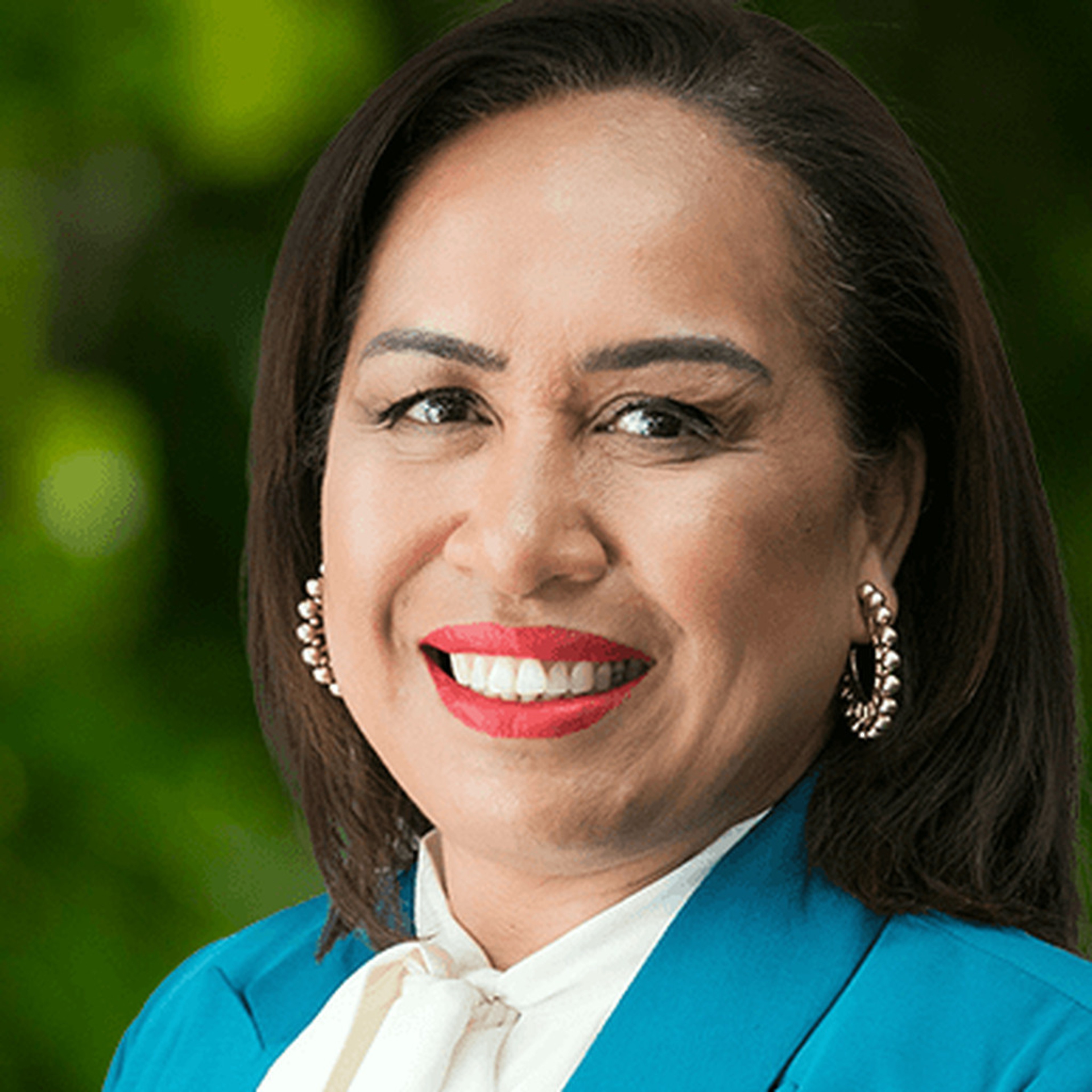



Agnes Loheni
Why I'm standing
I'm running because I want Waitākere to be a community where families can get ahead, businesses can thrive, and people feel safe and optimistic about the future. Having lived in West Auckland for over 40 years, raised my family here and built a business, I understand both its opportunities and challenges. I want to use my experience in business, community and Parliament to be a strong, practical voice for Waitākere.
About me
I bring experience from business, community service and Parliament. I've spent more than 25 years building a family business and previously served as a Member of Parliament. I know the importance of listening, working hard and being accountable for results. West Auckland has been home for most of my life, and I'm deeply invested in its future. I would bring practical experience, strong local connections and a determination to advocate effectively for Waitākere.
My priorities
- Improve community safety so families and businesses feel secure in their neighbourhoods
- Strengthen local health services so Waitākere families can get quality care closer to home.
- Support local businesses and jobs so our town centres thrive and families can get ahead.
Get across the policies, candidates and parties
Don’t know who to vote for? Policy.nz is the complete guide to the 2026 general election. Compare the parties, candidates and policies to see where you stand.
Policies
Compare the parties’ positions on the key issues this election
Candidates
See the electorate candidates running in your local area
Parties
Learn about each political party, its leaders and candidate list
Things to know...
Your two votes shape New Zealand’s next parliament. You need to be enrolled to vote.
Read explainerEnrol to vote by Sunday 25 October
You need to be enrolled before you can vote. You can enrol online at vote.nz.
Voting day is Saturday 7 November
Head to your nearest voting place on the day, or vote early from 26 October.
You get two votes
One for a party (the party vote) and one for a person in your area (the electorate vote).
Your party vote is the most powerful
It decides how many seats each party gets in Parliament. That’s what Policy helps you figure out.