Waitākere electorate

Waitākere covers Auckland’s western-most suburbs, including Green Bay, Glen Eden, and Titirangi, before stretching into the eponymous Waitākere ranges to the Tasman. The electorate has been reformed for 2026. The seat is held by retiring National MP Paulo Garcia, who is not running again in Waitākere in 2026. Labour won the party vote in Kelston in 2023 with 37%, followed by National on 31%. This is Waitākere’s fourth spell of existence, having previously existed between 1946-66, 1978-87, and 1993-2014.
Waitākere candidates
Explore the candidates in your area


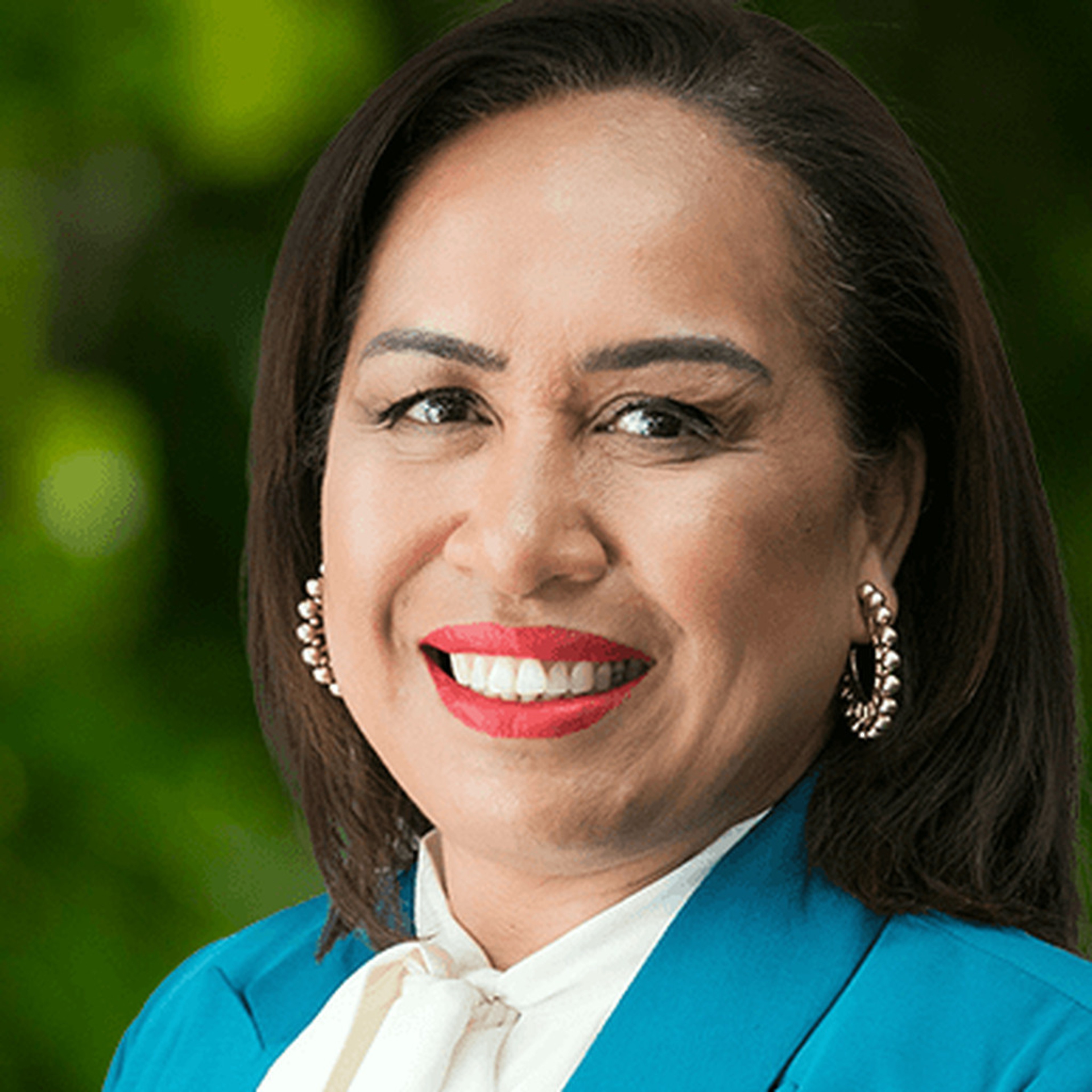



Vanushi Walters
Why I'm standing
My husband, kids and I have called Waitākere home for 15 years. I believe we need someone who will advocate for the local organisations that serve our community, for accessible healthcare and fit for purpose transport Infrastructure. Nature is such a strong part of our identity out West and I will bring a focus on ensuring the protection and preservation of our environment and growing connections that our kids have to nature.
About me
I studied law in Auckland and then at Oxford, and I have spent my career over the last twenty years fighting for everyday New Zealanders. Whether it was in Community Law, at the Human Rights Commission, or with Amnesty International. I have always put people first, standing up for those whose voices weren't being heard. That is exactly what I will do for the people of Waitākere in Parliament.
My priorities
- Advocating for more resources for Waitākere Hospital and the health workforce out West.
- Advocating for our local community services to ensure cost of living support is available.
- Advocating for Glen Eden crossing to be prioritised for development to ensure it's safe.
Get across the policies, candidates and parties
Don’t know who to vote for? Policy.nz is the complete guide to the 2026 general election. Compare the parties, candidates and policies to see where you stand.
Policies
Compare the parties’ positions on the key issues this election
Candidates
See the electorate candidates running in your local area
Parties
Learn about each political party, its leaders and candidate list
Things to know...
Your two votes shape New Zealand’s next parliament. You need to be enrolled to vote.
Read explainerEnrol to vote by Sunday 25 October
You need to be enrolled before you can vote. You can enrol online at vote.nz.
Voting day is Saturday 7 November
Head to your nearest voting place on the day, or vote early from 26 October.
You get two votes
One for a party (the party vote) and one for a person in your area (the electorate vote).
Your party vote is the most powerful
It decides how many seats each party gets in Parliament. That’s what Policy helps you figure out.