Waitākere electorate

Waitākere covers Auckland’s western-most suburbs, including Green Bay, Glen Eden, and Titirangi, before stretching into the eponymous Waitākere ranges to the Tasman. The electorate has been reformed for 2026. The seat is held by retiring National MP Paulo Garcia, who is not running again in Waitākere in 2026. Labour won the party vote in Kelston in 2023 with 37%, followed by National on 31%. This is Waitākere’s fourth spell of existence, having previously existed between 1946-66, 1978-87, and 1993-2014.
Waitākere candidates
Explore the candidates in your area


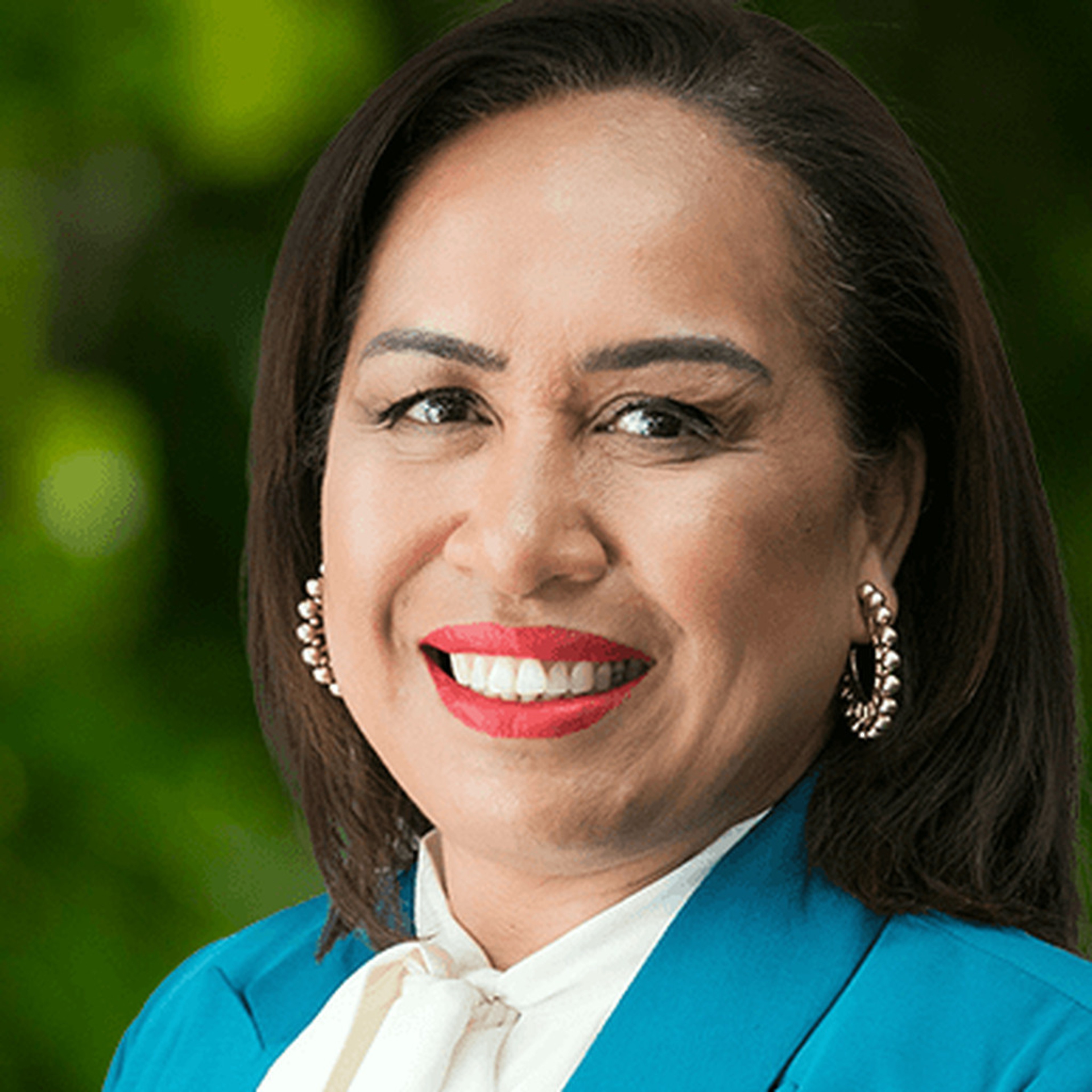



Callum Sheridan
Why I'm standing
I am asking you to give your party vote to ACT. I want more ACT MPs who will fight to cut waste and grow the country, balance the books with no new taxes, defend equal rights, deliver better public services, cut red tape, and restore real consequences for crime. In our electorate, I'm asking you to choose whichever electorate candidate you believe will best represent the Waitakere electorate and give your party vote to ACT.
About me
I'm putting NZ ahead of personal ambition. I'm not asking you to elect me as your local MP. I'm asking you to give your party vote to ACT to Lock Labour Out and unlock New Zealand's potential. It means keeping the coalition Government in power, but ensuring that it can go further and faster on the issues that matter most to you. A party vote for ACT will re-elect the Government and make it stronger.
My priorities
- Grow the economy to balance the books with no new taxes so incomes rise faster than living costs.
- Deliver better services for taxpayers: education, police, and match Australia on medicines funding.
- Make decisions based on need, not race, and with one law for all and one future together.
Get across the policies, candidates and parties
Don’t know who to vote for? Policy.nz is the complete guide to the 2026 general election. Compare the parties, candidates and policies to see where you stand.
Policies
Compare the parties’ positions on the key issues this election
Candidates
See the electorate candidates running in your local area
Parties
Learn about each political party, its leaders and candidate list
Things to know...
Your two votes shape New Zealand’s next parliament. You need to be enrolled to vote.
Read explainerEnrol to vote by Sunday 25 October
You need to be enrolled before you can vote. You can enrol online at vote.nz.
Voting day is Saturday 7 November
Head to your nearest voting place on the day, or vote early from 26 October.
You get two votes
One for a party (the party vote) and one for a person in your area (the electorate vote).
Your party vote is the most powerful
It decides how many seats each party gets in Parliament. That’s what Policy helps you figure out.